Exploring the evolution of gambling practices through the ages
Облачные технологии в Казино Пинко: отзывы игроков
March 18, 2026Wirklich so bekommen unter anderem applizieren Diese Promo-Codes inoffizieller mitarbeiter Las vegas Casino
March 18, 2026
Exploring the evolution of gambling practices through the ages
Ancient Origins of Gambling
Gambling has deep roots that trace back to ancient civilizations, where games of chance were integral to social and cultural practices. Archaeological findings suggest that as early as 3000 BC, people in China were using dice made from animal bones for gaming purposes. These early forms of gambling often revolved around divination and ritualistic practices, highlighting their significance beyond mere entertainment. In today’s context, engaging in games such as payid pokies offers a modern twist on this age-old pastime.
In ancient Rome, gambling became a popular pastime among citizens, with various games being played in public spaces. The Romans not only utilized dice but also developed rudimentary betting systems on gladiatorial contests and chariot races. This early acceptance of gambling paved the way for structured betting that would evolve over centuries.
The Middle Ages and Regulation
During the Middle Ages, gambling faced scrutiny from religious authorities, leading to fluctuating legality across Europe. In some regions, games of chance were banned outright, while in others, they thrived within controlled environments. The emergence of lotteries in the 15th century signified a shift toward state-regulated gambling, aiming to fund public projects.
This period also saw the establishment of card games, which began to gain popularity. The introduction of playing cards in Europe, likely from the Mamluks of Egypt, created new avenues for gambling. By the end of the Middle Ages, the foundation for modern gambling practices was being laid, marked by both recreational and legislative advancements.
The Renaissance and the Birth of Modern Gambling
The Renaissance marked a pivotal point in the evolution of gambling, as societal attitudes shifted toward more acceptance and enthusiasm for games of chance. The establishment of casinos in the 17th century introduced a formal environment for gambling, with Venice being home to the first official casino, the Ridotto.
This era also saw the rise of games like roulette and baccarat, which became staples in European casinos. The interaction of various cultures, particularly through trade, contributed to the diversification of gambling practices. The development of betting systems, including odds and payouts, began to take a more structured form during this time.
The 20th Century and Technological Advancements
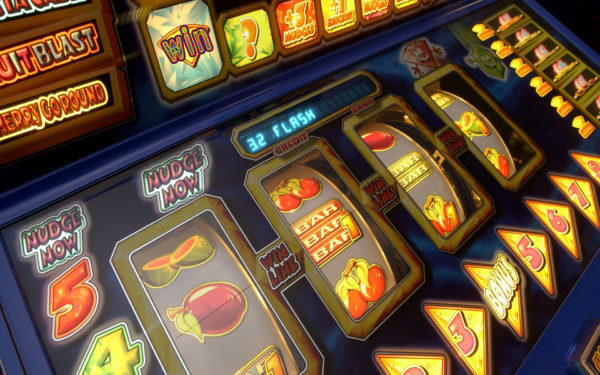
The 20th century witnessed a significant transformation in gambling practices, largely influenced by technological advancements. The introduction of slot machines in the late 19th century set the stage for modern gambling as we know it. These machines, initially simple, evolved into complex, engaging devices that captured the public’s interest.
The expansion of the internet in the late 20th century revolutionized gambling, leading to the birth of online casinos. The ability to gamble from the comfort of home opened new avenues for players around the globe, transforming traditional gambling dynamics. This era underscored the importance of regulation and security, as online gambling raised new challenges and concerns.

Modern Trends in Gambling
Today, gambling practices continue to evolve, driven by technology and changing societal attitudes. The rise of mobile gaming and live dealer casinos has made gambling more accessible than ever, attracting a diverse audience. Moreover, innovations like blockchain technology are beginning to influence how online gambling operates, enhancing transparency and security.
As we move forward, platforms like PayID Pokies Australia exemplify the intersection of technology and user-friendly gambling experiences. With a focus on secure transactions and diverse gaming options, they cater to modern players who value both excitement and safety in their gambling pursuits. The future of gambling remains bright, promising continued evolution in practices and regulations.